
What Happens During a Dental Check-Up in West Hampstead?
If you have not visited a dentist for a while, you may feel unsure about what happens during a routine dental examination.
A dental check-up is generally a straightforward appointment designed to assess your oral health and identify potential problems. It is not simply about looking for cavities. Your dentist may assess your teeth, gums, bite and other aspects of your mouth, while also discussing any concerns you have.
Understanding what to expect can make your appointment feel more comfortable.

Before your appointment
When booking an appointment, the dental practice may ask for basic information about your medical and dental history.
You should tell the dental team about relevant medical conditions, medications and previous dental treatment. You should also mention any symptoms you are experiencing.
If you have toothache, sensitivity, bleeding gums, a broken tooth or another concern, tell the practice when booking if possible.
This allows the team to understand why you are attending and determine whether you may need a longer or different type of appointment.
What happens when you arrive?
At the practice, you may be asked to confirm your personal and medical details.
If you are a new patient, you may need to complete a medical history form.
Medical history is relevant to dental care because some medications and health conditions can affect your mouth or influence how certain treatments are planned.
Do not worry if you are unsure about something on the form. You can ask the dental team for clarification.
The dental examination
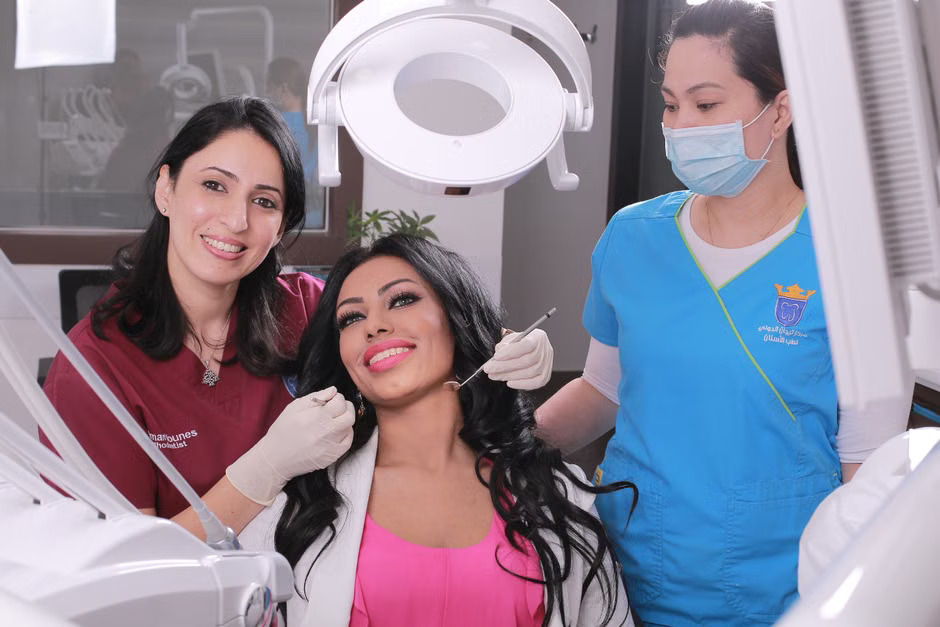
During your appointment, the dentist will examine your mouth.
When visiting a Dentist in West Hampstead for a routine examination, the dentist may assess:
Teeth
Gums
Existing fillings and restorations
Bite
Signs of tooth decay
Gum inflammation
Tooth wear
Dental plaque and calculus
Other visible changes in the mouth
The exact examination will depend on your individual circumstances.
Your dentist may also ask whether you have noticed any symptoms, such as sensitivity, pain, bleeding or changes in your mouth.
Checking for tooth decay
One important part of a dental examination is assessing your teeth for signs of decay.
Early decay may not always cause noticeable symptoms. This is one reason routine examinations can be useful.
Your dentist may inspect the surfaces of your teeth and assess areas where plaque commonly accumulates.
If there is concern about decay between teeth or another area that cannot be assessed visually, an X-ray may be recommended where clinically appropriate.
Checking your gums
Your gums are an important part of your oral health.
The dentist may look for signs of inflammation, swelling, bleeding or other indications of gum problems.
Depending on your individual needs, the dentist may also assess the areas around the teeth more closely.
If you have signs of gum disease, the dentist may recommend improved home care, a hygiene appointment or further assessment.
Gum health can change over time, so monitoring it during regular examinations can be important.

Checking existing dental work
If you have fillings, crowns, bridges, veneers, implants or other dental restorations, the dentist may assess their condition.
Dental restorations do not necessarily last forever. Their lifespan can depend on factors such as the material, location, oral hygiene, biting forces and general dental health.
If a restoration shows signs of damage or wear, your dentist can explain the available options.
Do you always need an X-ray?
Not every patient needs an X-ray at every appointment.
Dental X-rays are generally recommended when they provide useful information that cannot be obtained through a normal examination.
The decision may depend on your dental history, symptoms, age, risk of dental disease and the time since previous imaging.
Your dentist should explain why an X-ray is being recommended.
Discussing your concerns
A check-up is also an opportunity to discuss any concerns you have.
For example, you may want to talk about:
Tooth sensitivity
Bad breath
Bleeding gums
Teeth grinding
Tooth wear
Cosmetic concerns
Jaw discomfort
Staining
Anxiety about dental treatment
Even if a problem seems minor, mention it.
Sometimes a symptom can provide useful information that helps the dentist decide whether further investigation is needed.
What happens if the dentist finds a problem?
If your dentist identifies a dental problem, they should explain what they have found.
You may be told that no treatment is currently necessary and that the area simply needs monitoring.
Alternatively, the dentist may recommend treatment.
Depending on the situation, this could include a filling, hygiene treatment, root canal treatment, crown, extraction or another procedure.
You should have an opportunity to discuss the recommendation and understand why it has been made.
Discussing treatment options
There may sometimes be more than one way to manage a dental problem.
Your dentist can explain the relevant options, including potential benefits, disadvantages and expected outcomes.
For more complex procedures, you may be given a written treatment plan.
Do not feel that you have to make a decision immediately if you need time to consider your options.
If you do not understand something, ask your dentist to explain it in simpler terms.
Preventive advice
Your check-up may also include advice about maintaining your oral health.
This could involve recommendations about:
Brushing technique
Fluoride toothpaste
Interdental cleaning
Diet
Sugar consumption
Smoking
Alcohol
Dental hygiene appointments
The advice should be relevant to your individual circumstances.
For example, someone with healthy gums may need different advice from someone who has active gum disease.
How long does a dental check-up take?
The length of an examination varies.
A routine appointment may be relatively short, while a new-patient examination or appointment involving complex concerns may take longer.
If you are booking a first appointment, ask the practice how long you should allow.
If you have several concerns, mention them when booking so the practice can schedule sufficient time.
How often should you have a check-up?
There is no universal interval that applies to every patient.
Some people may need more frequent monitoring because they have a higher risk of dental disease, while others may require less frequent routine examinations.
Your dentist can recommend an interval based on your oral health, risk factors and dental history.
Following a personalised recall schedule can help ensure that your oral health is monitored appropriately.
How to prepare for your appointment
You do not need to do anything complicated before a routine check-up.
However, it can be useful to:
Make a note of any symptoms
Bring a list of medications if necessary
Mention changes in your medical history
Think about any questions you want to ask
Tell the dental team if you feel anxious
There is no need to feel embarrassed about the condition of your teeth. Dental professionals see a wide range of oral health conditions every day.
Their role is to help you understand and improve your oral health.
After your appointment
Once the examination is complete, the dentist should explain their findings.
If no treatment is required, you may simply be advised to continue your current oral hygiene routine and return at the recommended interval.
If treatment is required, you can discuss the next steps.
You may also be advised to see a dental hygienist or another member of the dental team.
Final thoughts
A routine dental examination is an opportunity to assess your teeth and gums, discuss concerns and identify potential problems.
When visiting a Dentist in West Hampstead, remember that the check-up is also your opportunity to ask questions and understand your oral health.
You do not need to wait until you have severe pain before seeing a dentist. Regular examinations can help your dental team monitor changes over time and provide personalised advice.
If you have not had a dental examination recently, contacting a local practice can be a useful first step toward getting your oral health back on track.
Comments